Size · 6 min read · Aug 11, 2026
Why 7-foot coin-op is the bar standard
Eight-foot looks bigger on Instagram. Seven-foot fits the room, matches tavern leagues, and still leaves a path for a tray.
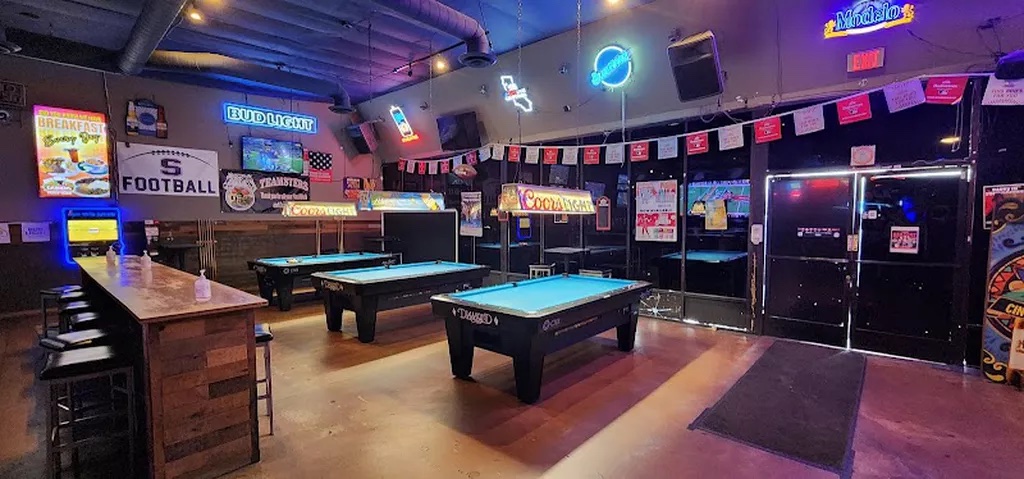
Nine-foot is a hall table. Eight-foot is what a lot of homeowners buy because the box said “regulation.” Seven-foot is what a bar can actually live with.
A 7-foot coin-op — the bar box — is about 93 inches long and 53 inches wide. Give players 58-inch cues and you want five feet of clear space on every side. That is a rectangle of roughly 13 by 16 feet. Most back rooms, side rooms, and “we could put something here” corners can swallow that. They cannot swallow a 9-foot with house cues without turning the rest of the floor into a obstacle course.
Players already know the size. Tavern APA, a lot of BCA amateur nights, and every “we used to play at the other place” regular is used to a 7-foot Valley. Put an 8-foot in and the first league night becomes a seminar on why the spots feel wrong. You can win that argument. You will not win it at 10 p.m. on a Thursday.
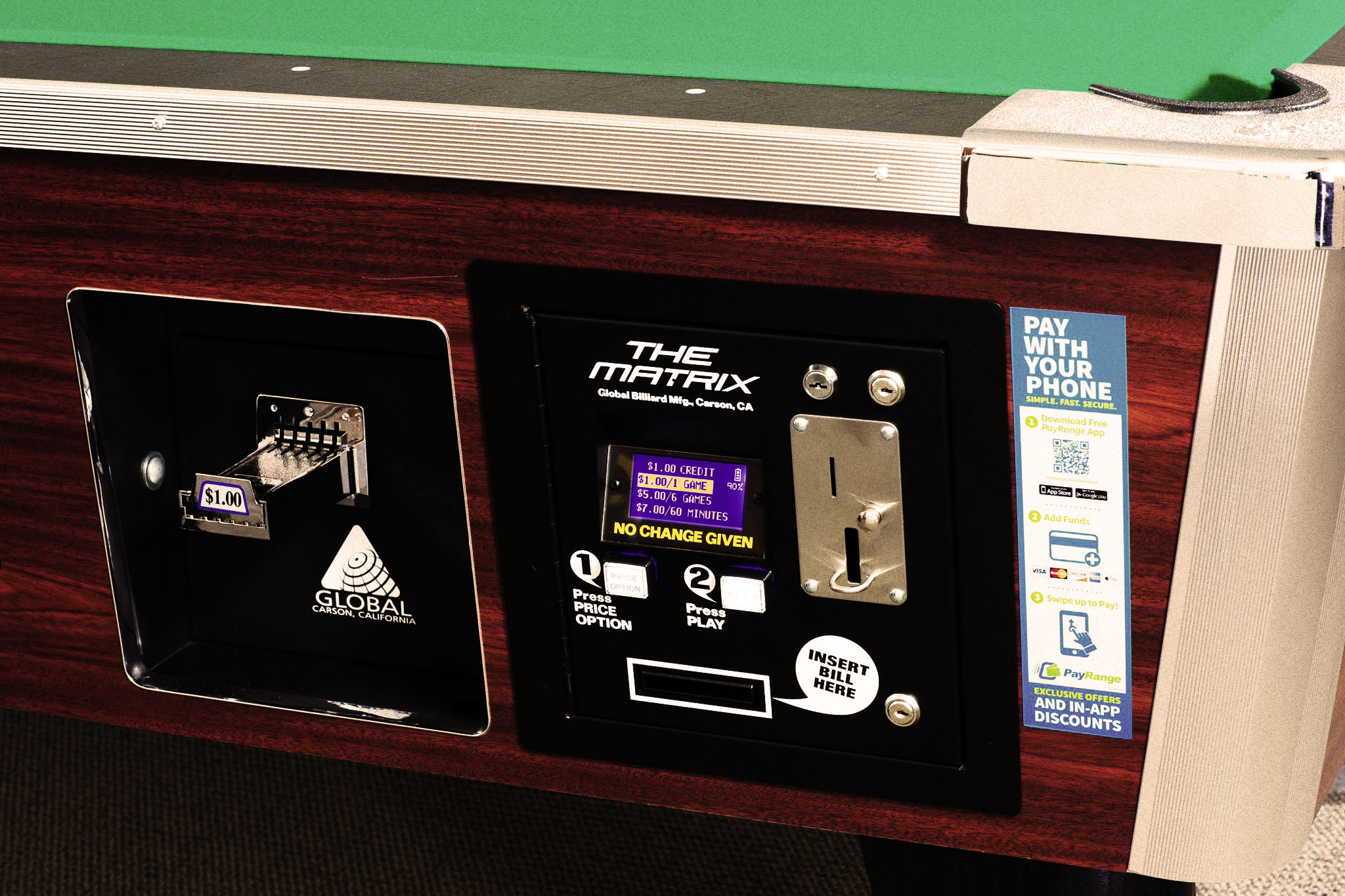
Coin-op belongs on this size for a second reason: the table is furniture that takes a beating. Drinks, bags, people sitting on the rail they were told not to sit on. A commercial 7-foot with a ball return and a coin door is designed for that. A home 8-foot with drop pockets is not. You will recoth the home table twice as often and still hear that the pockets “play weird.”
If you have a genuine hall — high ceilings, no dining tables within cue range, a crowd that wants to play long — then talk 8- or 9-foot. If you have a bar, start at 7-foot coin-op and only size up when the tape measure and the fire marshal both say you can.