Dwell time
A table holds a four-top through another round. That is the whole argument, dressed up as felt.
 7 ft coin-op pool tables for sale
A pool table keeps people in the building — it holds a four-top through another game, another round, another hour. We sell 7-foot coin-ops straight to bars: one number quoted, delivered, and leveled so it's earning the same night. And every quarter is yours.




People stay for one more game, order one more round, and come back Tuesday because that's league night. The quarters cover the table — the extra hour on every tab is the real earner. We've placed 200-plus tables in 60-plus bars, so this isn't a pitch; it's what a table does for a room.
A table holds a four-top through another round. That is the whole argument, dressed up as felt.
Tuesday needs a reason. A table gives the regulars one, and coin-op means the slow nights still pay their way.
7-foot is what tavern APA / BCA nights run on. Host a league and you've booked a full room, every week, in your slowest slot.
Small lineup on purpose. Valley, Diamond, Global, Brunswick, and operator-grade pieces when we have them. Pricing starts at $1,200 before delivery and setup — pick a brand and quote it.
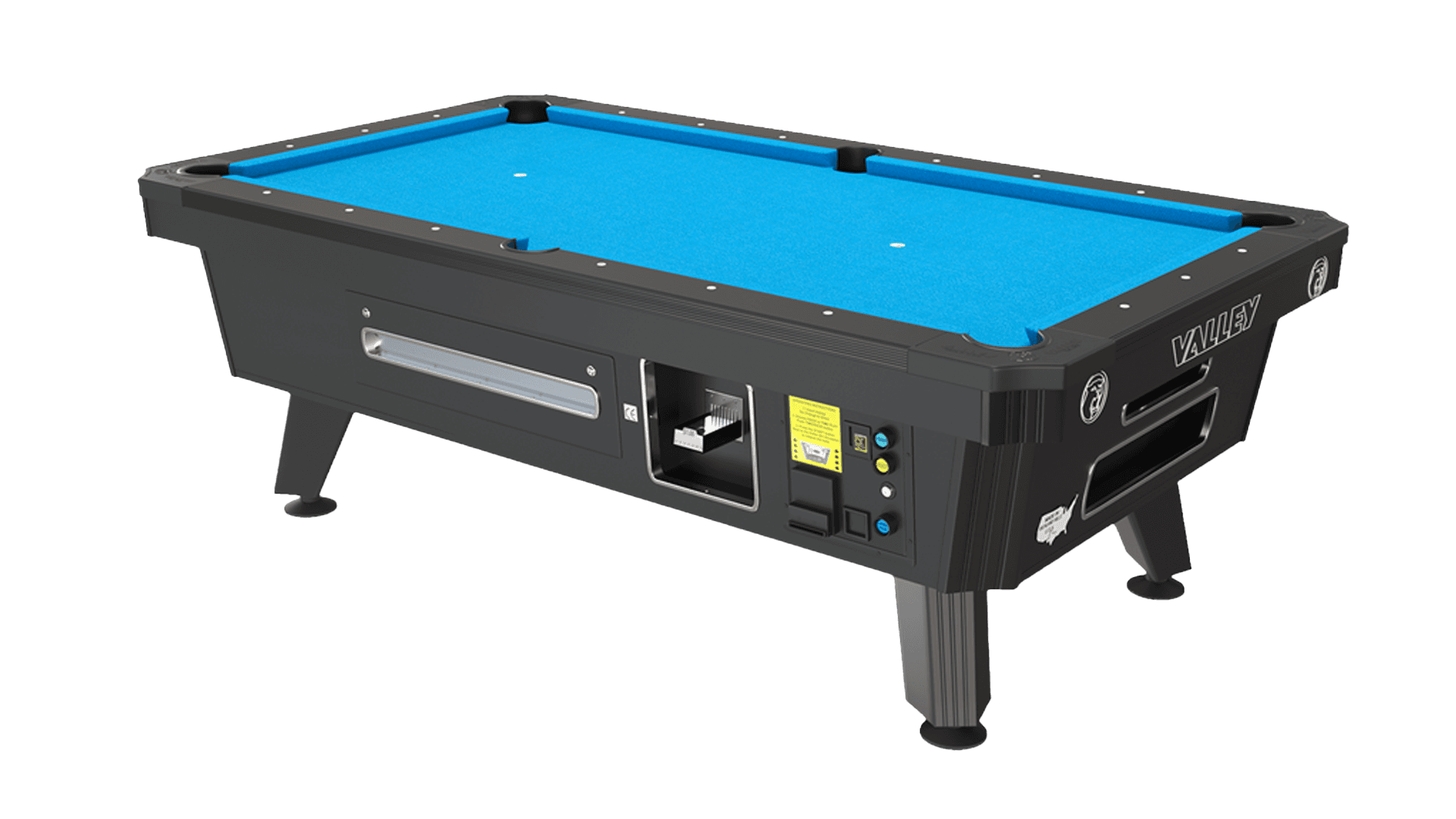
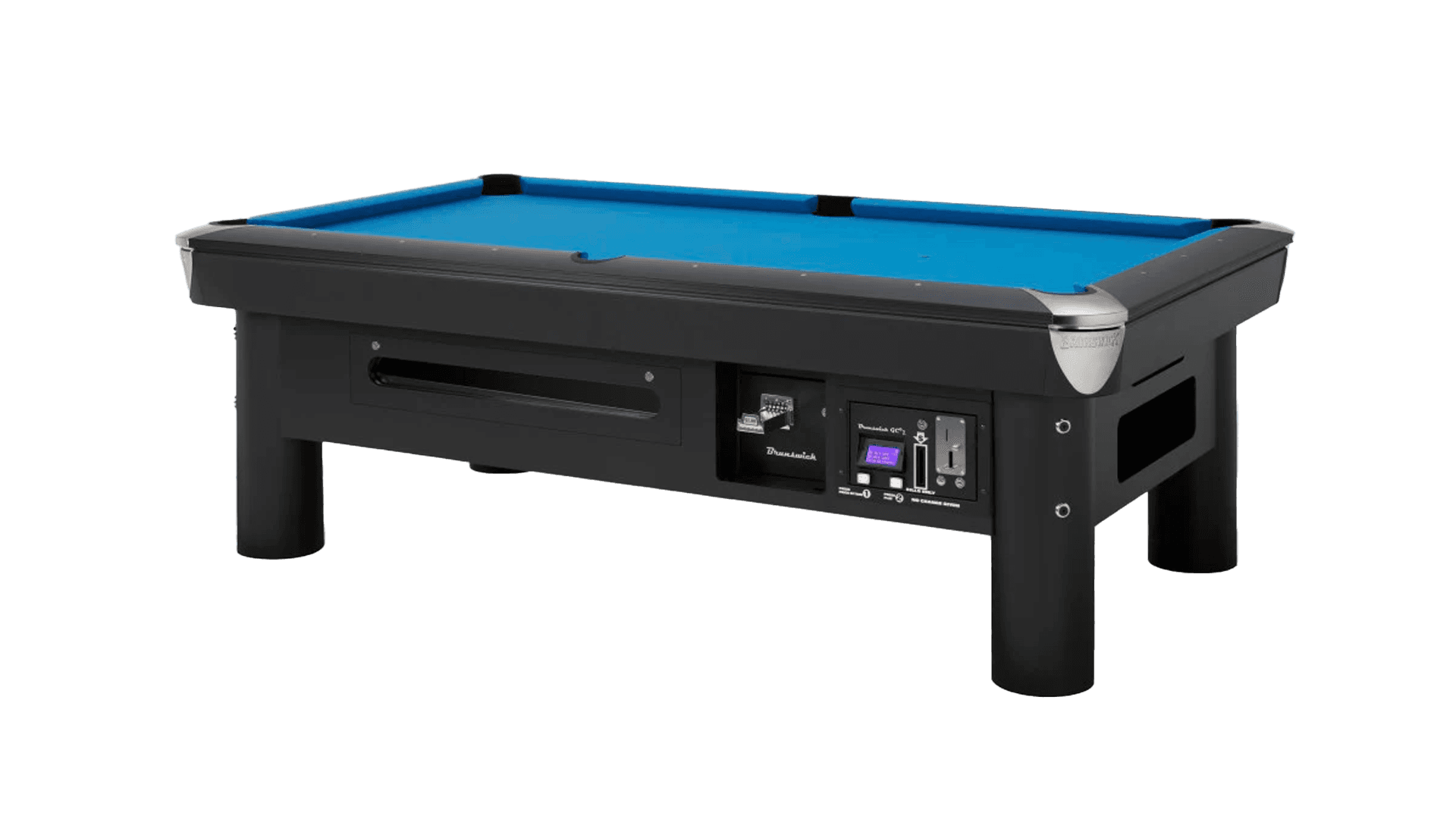
The 7-foot bar box most players already know. One-piece slate, tournament pockets, and a commercial coin/bill system built to take a Friday night.
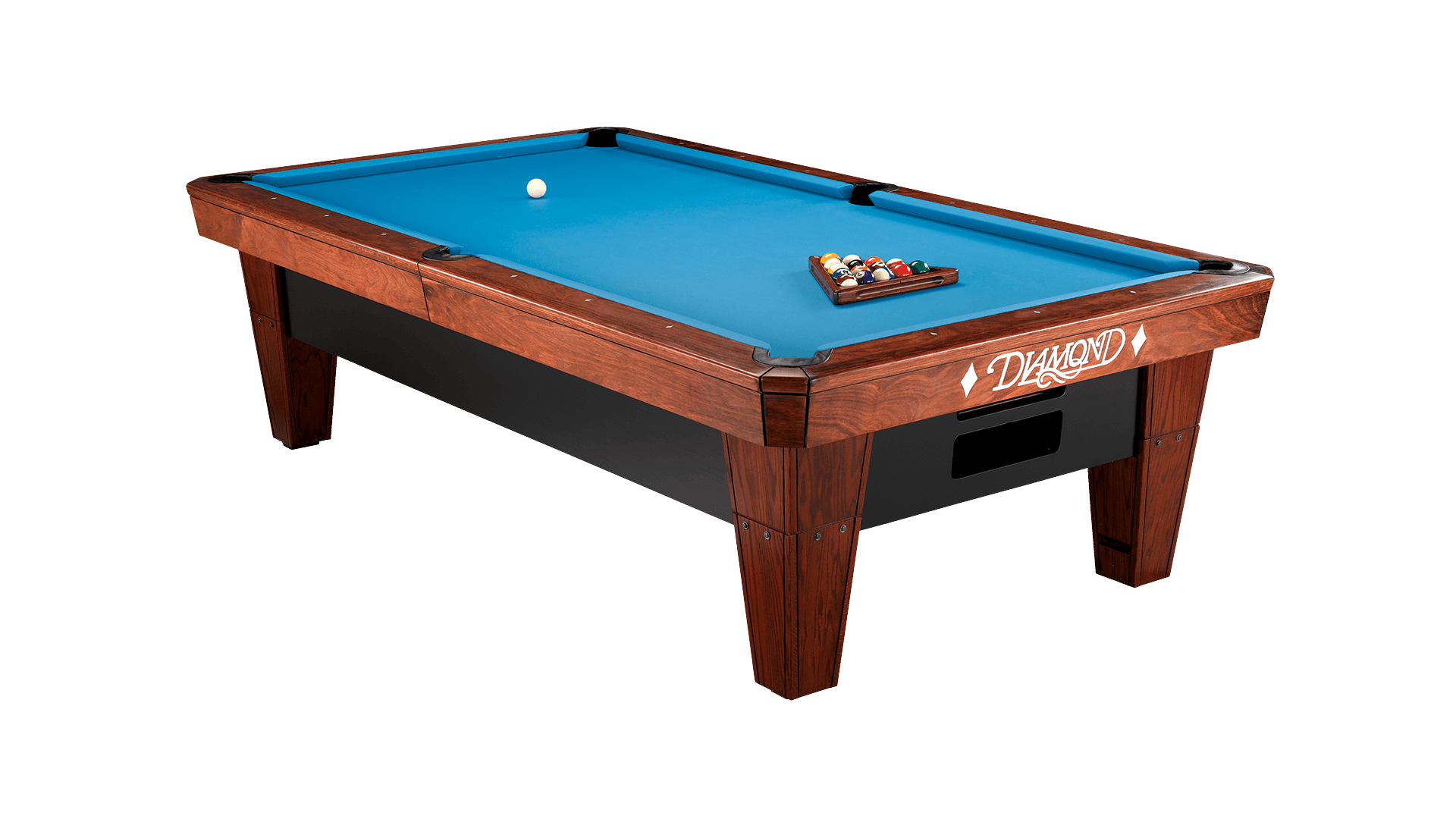
The only coin-op in the world that plays a real cue ball — no magnet, no oversize rock. Diamond Pro-Am rails, slate, and pockets in a bar box that takes quarters.
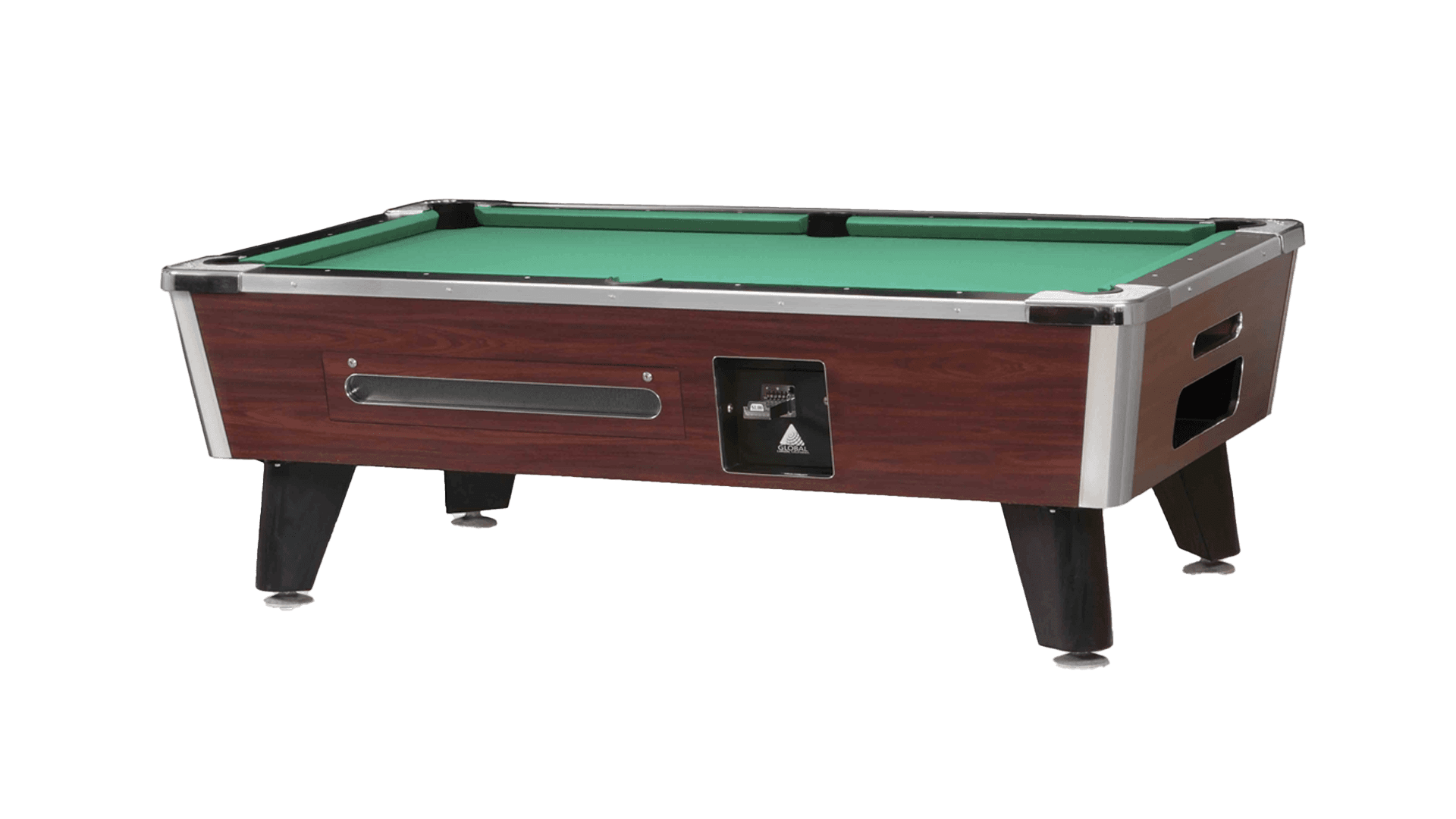
A straightforward 7-foot coin-op: laminate cabinet, ball return, and a pay system that does not need a specialist every week.
Gold Crown bones with a commercial coin-op setup. The look regulars associate with a “real” table — in a 7-foot bar footprint.
Inspected, serviced 7-foot coin-ops from commercial use. Recoth and rail work quoted to the table. Faster to the floor than a factory order.
Measure the room, pick a table, tell us the city. We come back with what's actually in stock and one number to put it on your floor.
Venue, city, how many tables, stairs or a dock. A rough 13' × 16' is the 7-foot minimum with 58" cues.
Model, cloth, pay system, delivery, and setup — one number for the whole job. If operator-grade is a better buy, we say so.
One day on a standard job. Level, return, coin door, first rack. Then it is yours.
A typical table in our locations drops about $250 a week — 125 games at $2. Whether you'd pay cash, finance it, or take a revenue-share deal instead, here are the honest numbers so you can decide on your own books, not on a pitch.
The loan payment ends in year three; a revenue share runs as long as the table does. On a table doing $250 a week, even a brand-new Diamond finances for less than half of what a 50/50 share pays out every month.
Assumptions: $250 a week in the drop — about 125 games at $2 — which is what a typical table in our locations actually does, a 50/50 revenue share, and a $3,500 table delivered and set up. Financing shown as a typical 36-month equipment note at 12% APR — we sell tables, not loans. Your room will beat or trail these numbers; that's what the quote is for.
Owning isn't for every room. If you'd rather keep the capital in the till and skip the upkeep, we'll place the tables and run them for you — delivery, service, and collections all handled, and you take a share for the floor space. It's the same crew that installs the tables we sell, so the felt stays tight and service calls get answered.
A few of the 60-plus rooms running our tables. Go put a quarter on the rail and see for yourself.
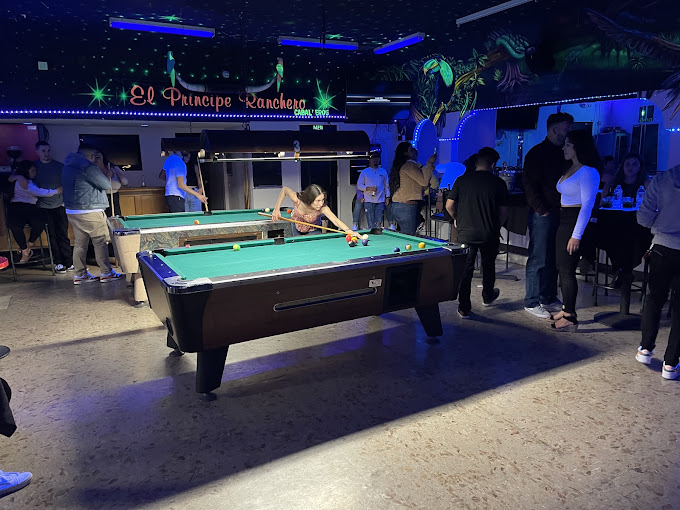
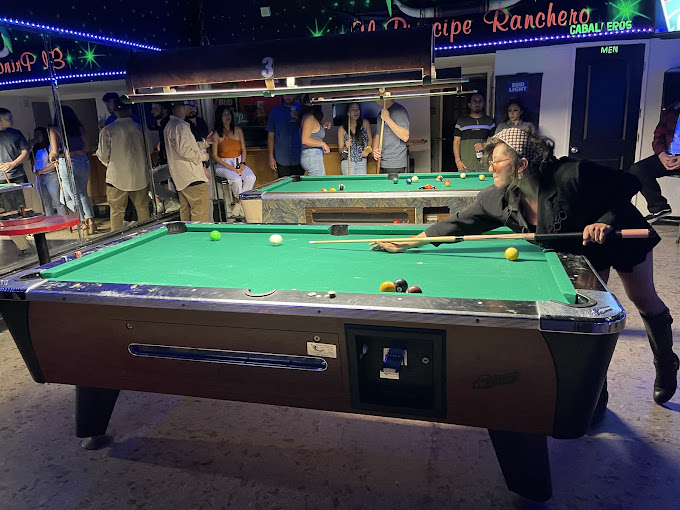
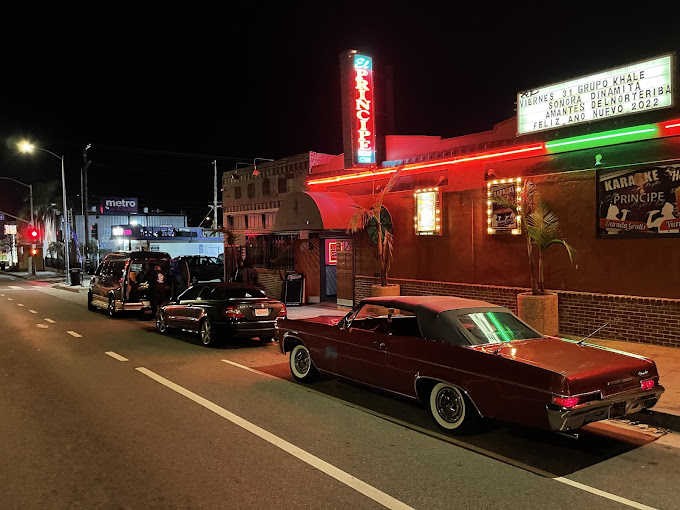
Three coin-ops running under the black-starred ceiling of San Pedro’s ranchero night club. Banda on the speakers, lowriders at the curb, quarters on the rail till 2 a.m.
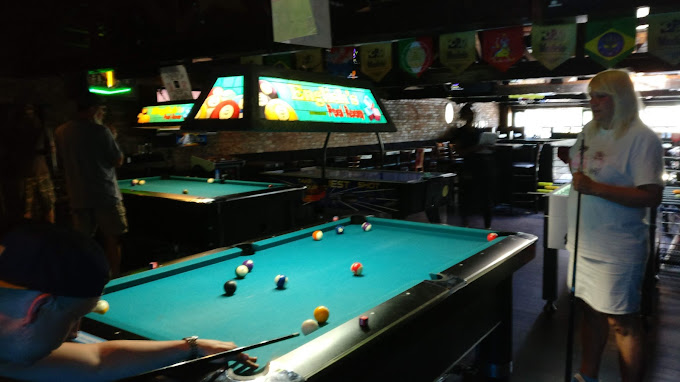
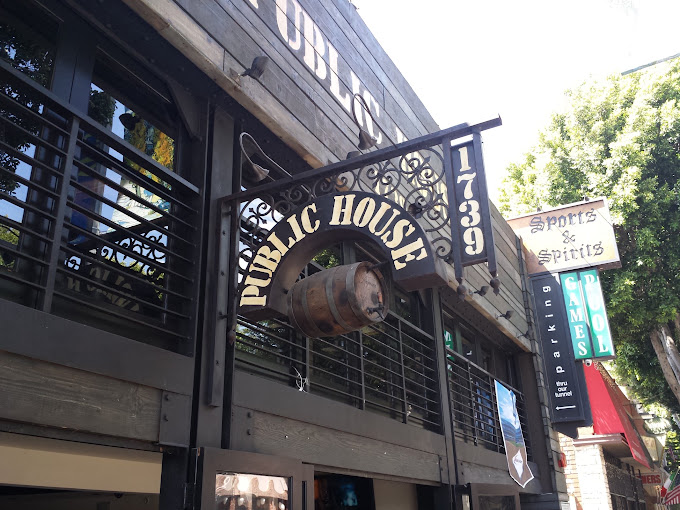
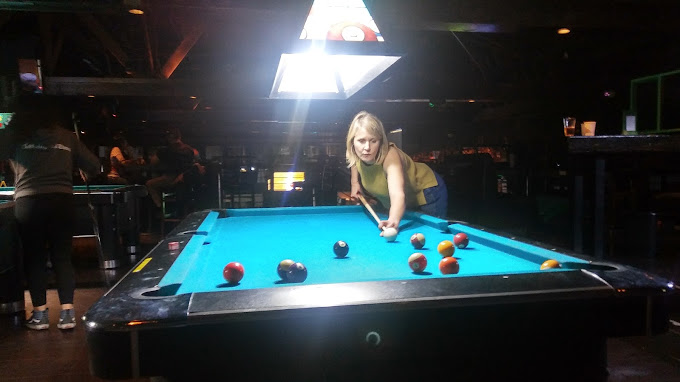
Four tables running nightly in one of the busiest rooms on Vermont Ave. League nights, tournaments, and a line of quarters on the rail.
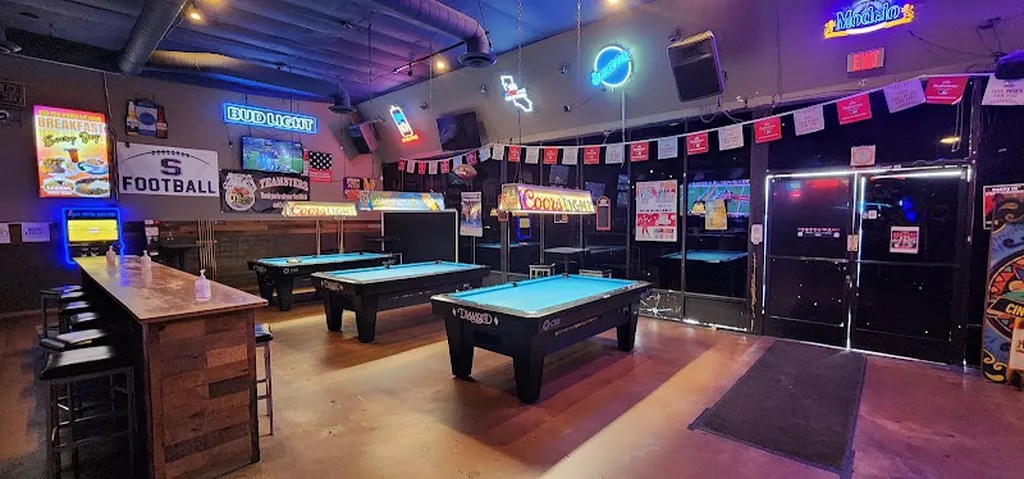
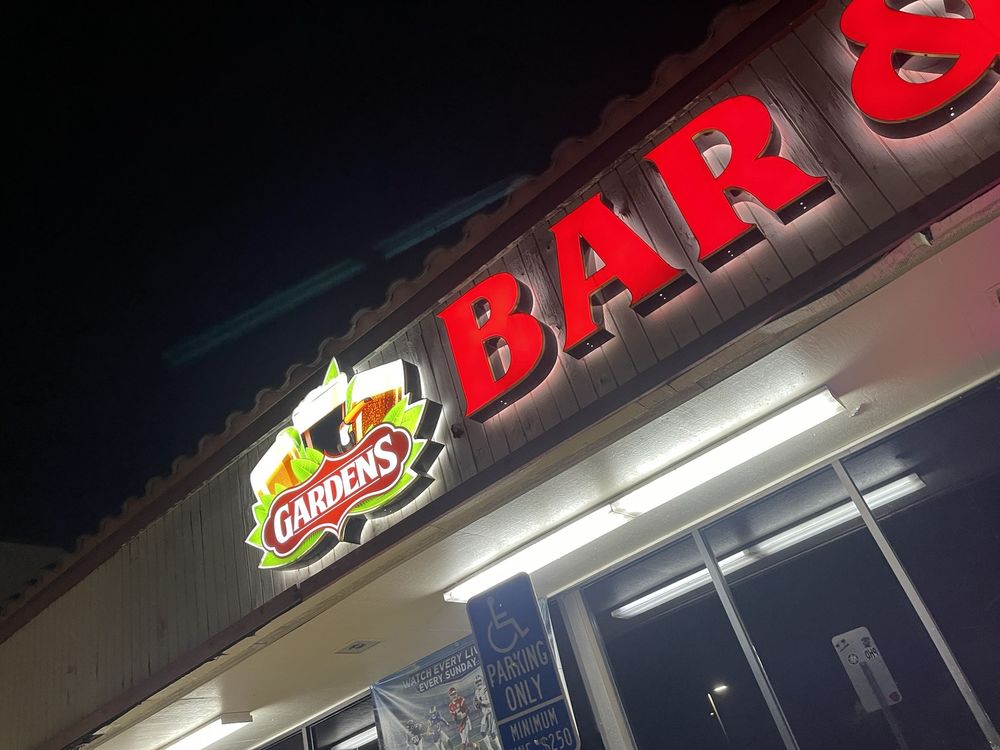
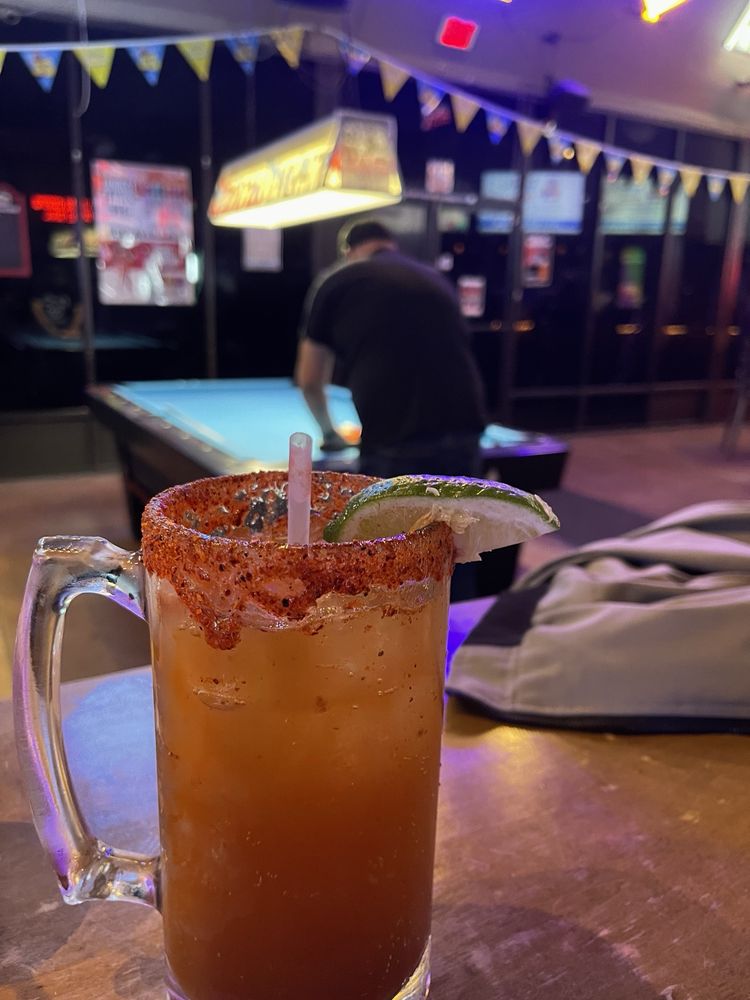
Three Diamonds in a row under the Coors Light lights. Sports bar energy, micheladas on the rail, and tables that stay busy past last call.
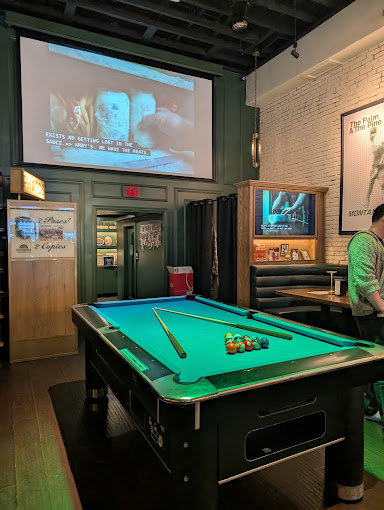
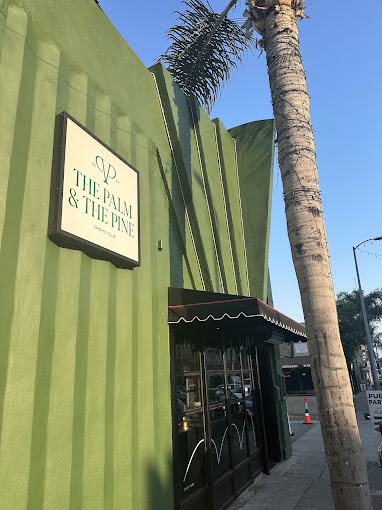
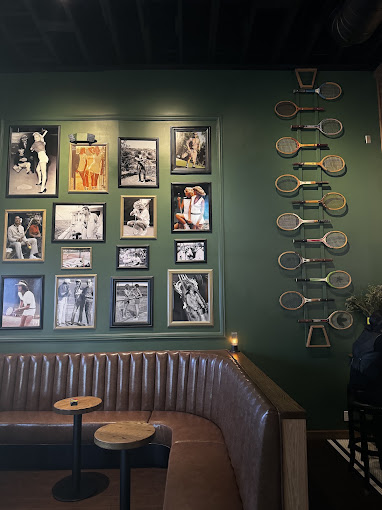

An art-deco sports social club where one bar box earns its keep. Custom felt cut to match the room — proof a single well-dressed table can anchor a night.
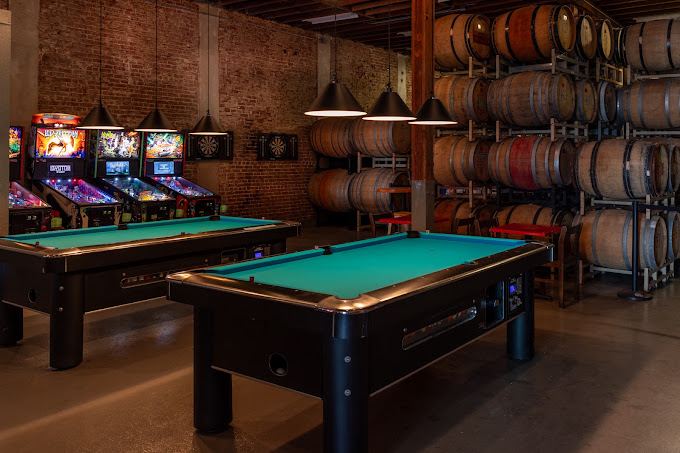
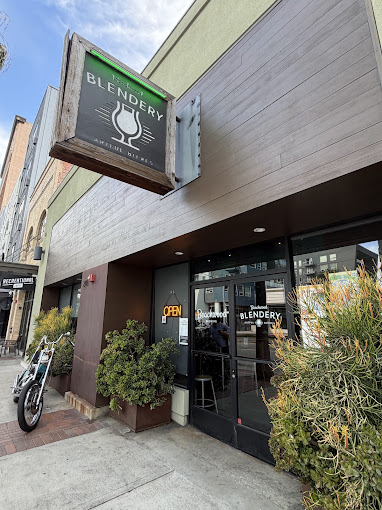
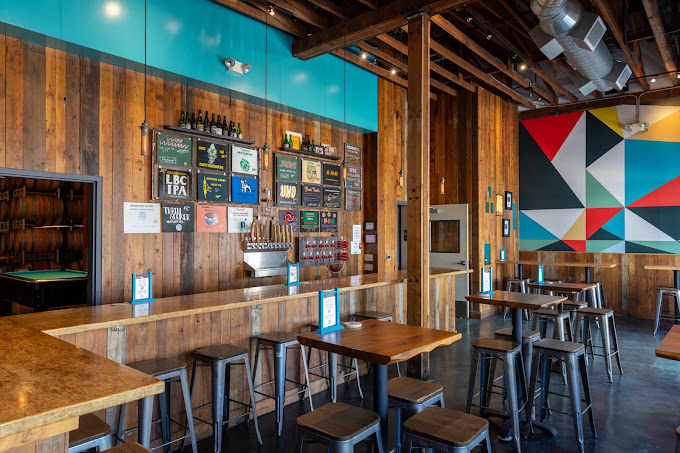
Two black-cabinet coin-ops holding down the game room between the pinball row and the barrel wall. Taproom by day, pool room by night.
Space, pricing, cloth, leagues — the questions owners ask after the table is in. Written like we have run rooms, because we have.
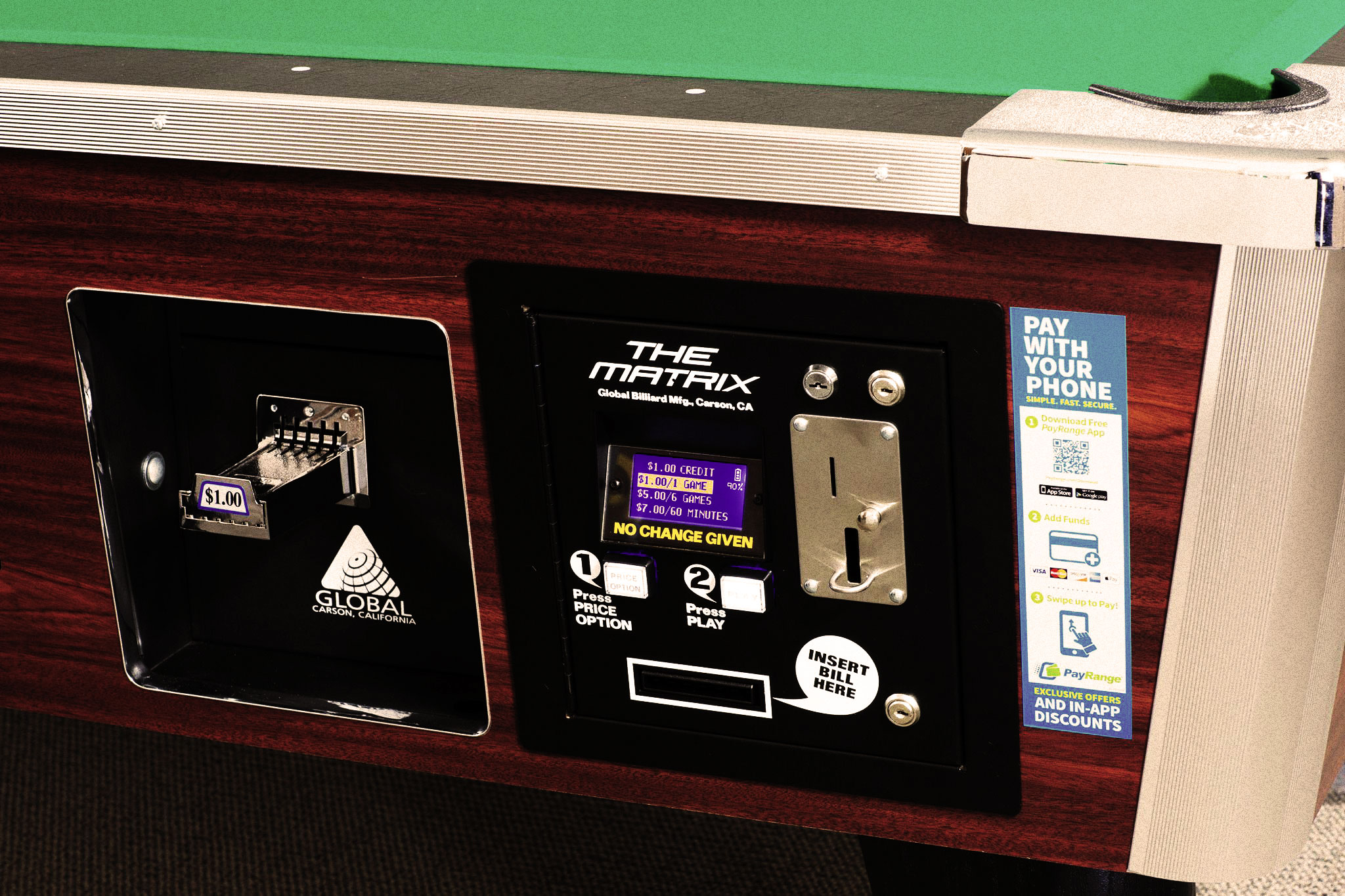
Mechanical coin slides, electronic bill acceptors, and programmable systems like Global's Matrix — what each one lets you charge, and what to spec on your quote.
The step-by-step for getting an operator's table out of your bar and your own on the floor, without a dark corner in between.
Start from cloth cost and Saturday demand, not from what the last operator charged in 2019.
Pricing starts at $1,200 before delivery and setup. Where it lands from there depends on the model, cloth, and pay system — a serviced operator-grade table sits at the low end, a new Diamond at the top. The quote comes back as one number for the whole job, so there are no surprises on install day.
Seven foot is the bar box. It fits a typical back room, matches what league players expect in a tavern, and still leaves space for people to walk a drink around the rails. Bigger tables need a hall, not a bar.
A 7-foot table is about 93" × 53". With 58" cues you want roughly 5 feet of clear space on every side — about 13' × 16' minimum. Tighter than that and people start short-cueing and bumping chairs. Measure before you fall in love with a corner.
The table as specified, cloth and cushion condition, the pay system (coin, bill, or both), and getting it to your floor — our own delivery and setup in Southern California, insured freight anywhere else in the U.S. Accessories are listed on each catalog card. One number, no surprises.
Southern California is home base — LA, Orange, San Diego, Riverside, San Bernardino, and Ventura counties get our own crew, and install day is one day: in, level, play the same night. Everywhere else in the U.S. we ship by insured freight with liftgate delivery, the freight is built into your quote, and our installers walk you through leveling by phone or video. Out-of-state bars buy from us every month; put your city and state on the form.
Coin-op pays for itself and meters the line on a Saturday. Free play is a hospitality move. Most bars we sell to run coin on busy nights and open it up for leagues, staff, or slow Tuesdays. Electronic tables can switch; mechanical ones need a key.
Most owners do. A typical 36-month equipment note puts a $3,500 table around $115 a month and even a new Diamond near $230. A typical table in our locations drops about $250 a week — on a 50/50 split you would hand an operator over $540 a month, more than double the biggest payment here. The payment ends in year three; the split never does. We sell the table and quote one number, and you bring the financing that fits your books.
Plenty of our buyers started there. When you own the table, every quarter in the drop is yours, you set the price per game, and you decide when it goes on free play. Check the notice window in your current agreement, and we will have your own 7-foot coin-op quoted and ready to land the day theirs leaves.
Then keep an operator — just be picky about which one. We also place and run tables the classic way: no upfront cost, we handle delivery, service, and collections, and you take a share for the floor space. It is the same crew that installs the tables we sell, so the table does not sit broken between visits. Pick "Operate" on the quote form and we will talk numbers.
Yes. Tell us which model and we will set a time. Operator-grade pieces are unique; new orders are quoted from current stock and lead times.
Ask on the form. We would rather sell you the right 7-foot coin-op than recloth a home table that will not survive a bar. If what you have is already commercial, we can talk work.