Money · 6 min read · Aug 25, 2026
Coin-op vs free play — what actually makes money
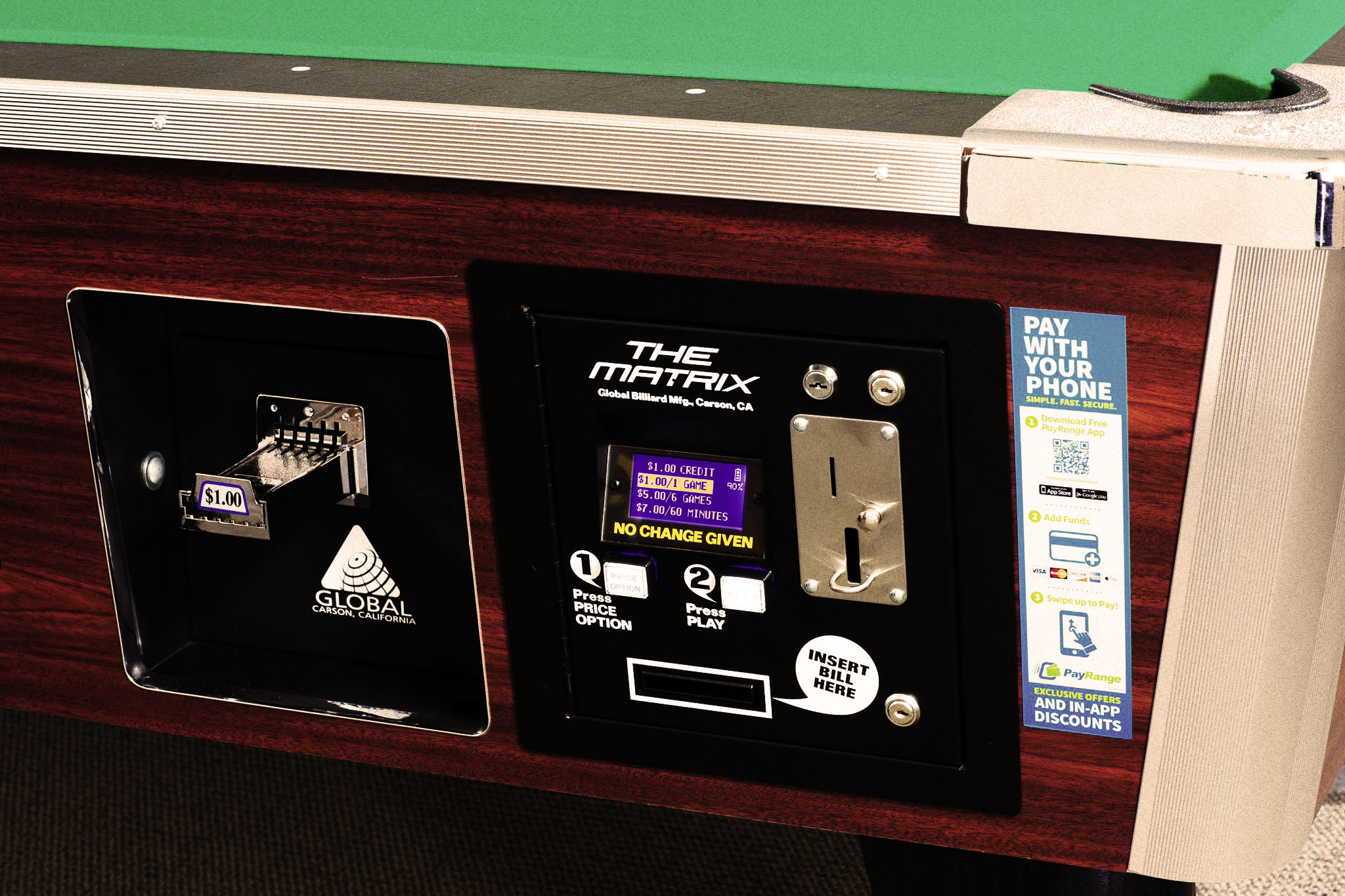
Coin-op meters the line and pays for cloth. Free play is hospitality. Most rooms need a way to do both.

Free play feels generous. It is also how one four-top holds a table from 8 until close while the people who would have bought another round wait, leave, or start a fight about “we were next.”
Coin-op is not about squeezing regulars. It is a clock. A game has a cost, the cost is posted, and the line moves. On a Saturday that is the difference between a table that earns and a table that is a couch.
What coin-op pays for
Cloth, cushions, tips, and the night someone uses the table as a dance floor. If the drop does not cover that, you are subsidizing pool out of liquor — which is fine if you chose it, and annoying if you did not.
When free play is the right call
League night, when the buy-in is already at the register. Staff after close. A dead Tuesday when you would rather have bodies than quarters. A private buyout. Hospitality is a tool. Leave it on all week and you have donated the corner.
How to have both
Electronic coin-ops (Valley Pro Cat with a bill acceptor, similar brains) can run happy hour, time play, and “open” windows. Mechanical coin doors need a key and a manager who remembers. If you know you will switch modes, say so on the quote — the pay system is part of the table, not an afterthought.
A simple posted card beats a speech:
- Regular play: $X per game
- Happy hour: $Y or time play
- Leagues: house covers / included in fee
- Tournament nights: posted
People accept a number they can read. They do not accept a surprise.
If you are ditching an operator’s split table, the math is ugly in a good way: you pay once, then the drop is yours. That is the whole reason this site exists. Price the game like you mean to recoth in a year, not like you are afraid of the regular in seat three.